
heat affect an oil burner pipe over time
Over time, repeated exposure to heat can significantly impact the performance, durability, and appearance of an oil burner pipe. Since oil burner pipes are designed to withstand high temperatures for vaporizing oils, they are built from heat-resistant materials such as borosilicate glass, ceramic, metal, or silicone. However, continuous heating and cooling cycles can still cause gradual wear and tear, affecting the pipe’s structural integrity, efficiency, and overall longevity. Understanding how heat affects different types of oil burner pipes over time is essential for proper maintenance and extending the pipe’s lifespan.
For glass oil burner pipes, prolonged heat exposure can lead to thermal stress. Although borosilicate glass is highly resistant to heat, constant temperature fluctuations can weaken the material. Over time, microscopic fractures may develop, making the pipe more prone to cracking or shattering. Additionally, overheating the oil in a glass pipe can cause stubborn residue buildup, which hardens and becomes difficult to clean. To prevent heat-related damage, it is important to avoid sudden temperature changes and to clean the pipe regularly to prevent residue accumulation.
Metal oil burner pipes, such as those made from stainless steel or aluminum, are more resilient to heat than glass pipes. However, frequent heating can cause metal pipes to discolor or lose their polished finish. Over time, excessive heat exposure may also lead to minor warping or deformation, especially with thinner metal pipes. While metal pipes are less prone to breakage, their surfaces can become extremely hot during extended use, making them uncomfortable to handle. To minimize heat-related damage, it is advisable to allow the pipe to cool between sessions.
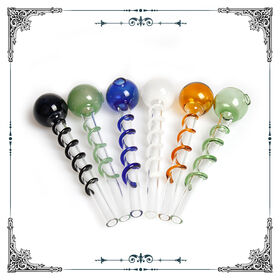
How does heat affect an oil burner pipe over time?
Silicone oil burner pipes, known for their durability and flexibility, are highly resistant to heat. Silicone can withstand significant temperature variations without cracking or melting, making it an ideal material for long-term use. However, excessive heat exposure over time can cause slight discoloration or minor surface degradation. Despite this, silicone pipes remain one of the most heat-resistant and durable options available, making them perfect for frequent use.
To prolong the lifespan of any oil burner pipe, it is essential to practice proper usage techniques. Applying controlled and gradual heat prevents overheating, which reduces the risk of material stress and residue buildup. Using a steady, moderate flame rather than exposing the pipe directly to intense heat ensures even vaporization while preserving the pipe’s integrity. Additionally, cleaning the pipe regularly prevents oil residues from hardening due to repeated heating cycles, which can otherwise affect performance.
For individuals seeking long-lasting durability, unbreakable oil burner pipes are the best option. Made from reinforced silicone or metal, these pipes are designed to withstand repeated heating without cracking or deteriorating. You can shop online for wholesale unbreakable oil burner pipes through platforms like Global Sources, which offer a full-scale list of products at factory prices from verified wholesalers and manufacturers from China, India, Korea, and other countries. These unbreakable pipes are built for long-term use, making them an excellent investment for regular users.
Ultimately, while heat exposure is inevitable when using an oil burner pipe, proper care and maintenance can reduce wear and extend the pipe’s lifespan. By choosing high-quality, heat-resistant materials and following best practices, you can enjoy consistent and reliable performance from your oil burner pipe over time.