
manufacturability issues in printed circuit board design
Addressing manufacturability issues in printed circuit board (PCB) design is crucial for ensuring efficient, cost-effective, and reliable production processes. Manufacturability issues can arise from various aspects of the PCB design, including layout complexity, component placement, routing constraints, and assembly considerations. By proactively identifying and addressing these issues during the design phase, designers can streamline the manufacturing process, minimize production costs, and enhance the overall quality and reliability of the PCB.
One approach to addressing manufacturability issues in PCB design is to prioritize simplicity and clarity in the layout and routing of the board. Complex and cluttered layouts can increase manufacturing complexity, lead to routing congestion, and hinder accessibility for assembly and testing. Designers should aim for clean, organized layouts with logical component placement, clear signal paths, and ample space for routing and assembly. By simplifying the design and minimizing unnecessary complexity, designers can improve manufacturability and reduce the risk of manufacturing errors or defects.
Moreover, optimizing component placement is essential for addressing manufacturability issues in printed circuit board design. Strategic component placement can improve assembly efficiency, minimize signal interference, and enhance thermal management. Designers should consider factors such as component orientation, alignment, and grouping to facilitate automated assembly processes, reduce component handling time, and minimize the risk of misplacement or soldering defects. By optimizing component placement, designers can streamline the assembly process and improve overall manufacturability.
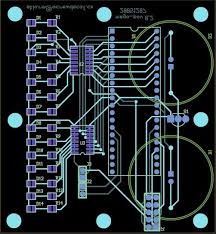
how do you address manufacturability issues in printed circuit board design?
Additionally, adhering to design for manufacturability (DFM) guidelines and best practices is essential for addressing manufacturability issues in PCB design. DFM principles emphasize designing PCBs with manufacturing processes in mind, considering factors such as material selection, fabrication techniques, assembly methods, and testing requirements. Designers should consult with PCB manufacturers early in the design process to understand their capabilities, constraints, and recommendations for optimizing manufacturability. By incorporating DFM principles into the design, designers can improve yield, reduce production costs, and accelerate time to market.
Furthermore, optimizing the PCB layout for panelization can help address manufacturability issues and improve production efficiency. Panelization involves arranging multiple PCBs on a single panel for simultaneous fabrication and assembly, reducing handling and setup time and increasing throughput. Designers should design PCB layouts with panelization in mind, considering panelization requirements such as fiducial markers, routing tabs, and breakout routing. By optimizing the layout for panelization, designers can streamline the manufacturing process, reduce material waste, and achieve cost savings.
Moreover, conducting design reviews with manufacturing partners is an effective strategy for identifying and addressing manufacturability issues in PCB design. Collaborating with PCB manufacturers early in the design process allows designers to leverage their expertise and insights to optimize the design for manufacturability. Manufacturers can provide valuable feedback on design decisions, material selection, fabrication techniques, and assembly processes, helping designers identify potential issues and implement design improvements to enhance manufacturability.
In conclusion, addressing manufacturability issues in printed circuit board design is essential for ensuring efficient, cost-effective, and reliable production processes. By prioritizing simplicity and clarity in the layout, optimizing component placement, adhering to DFM principles, optimizing for panelization, and collaborating with manufacturing partners, designers can streamline the manufacturing process, minimize production costs, and improve the overall quality and reliability of PCBs. Through proactive identification and resolution of manufacturability issues, designers can optimize PCB designs for manufacturability and achieve successful outcomes in the production of electronic devices.