
hdi pcb manufacturer
Integrating High-Density Interconnect (HDI) PCBs with traditional rigid PCBs presents both challenges and opportunities in modern electronics manufacturing. HDI PCBs offer advantages in terms of miniaturization, signal integrity, and manufacturing flexibility, while traditional rigid PCBs provide stability, cost-effectiveness, and familiarity. This article explores the feasibility and benefits of integrating HDI PCBs with traditional rigid PCBs to meet the diverse needs of electronic devices and systems.
One of the primary challenges in integrating HDI PCBs with traditional rigid PCBs lies in the differences in their construction and design. HDI PCBs typically feature finer traces, smaller vias, and multiple layers, allowing for increased routing density and improved electrical performance. On the other hand, traditional rigid PCBs tend to have thicker substrates and larger components, which may not be compatible with the dimensions and requirements of HDI technology. However, with careful planning and design optimization, it is possible to seamlessly integrate these two types of PCBs within the same electronic assembly.
One approach to integrating hdi pcb manufacturer with traditional rigid PCBs is to use them in combination within a multi-board system. In this configuration, the HDI PCBs can be employed for high-density, high-speed signal routing, while the traditional rigid PCBs provide structural support and interface with larger components or connectors. By strategically placing and interconnecting these boards within the assembly, designers can leverage the strengths of each technology to optimize performance, reliability, and manufacturability.
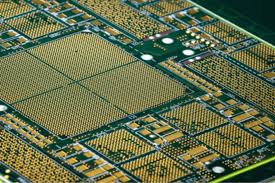
Can hdi pcb manufacturer be integrated with traditional rigid PCBs?
Another method of integration involves incorporating HDI features directly onto traditional rigid PCBs through hybrid construction techniques. This may include adding microvias, blind vias, or buried vias to the rigid substrate to increase routing density and reduce signal propagation delays. By selectively applying HDI elements to specific regions of the board where high-density interconnects are required, designers can achieve a balance between performance and cost, ensuring optimal functionality without overengineering the entire PCB.
Furthermore, advancements in PCB fabrication and assembly technologies have made it easier to integrate HDI features with traditional rigid PCBs without sacrificing efficiency or reliability. Manufacturers can utilize techniques such as sequential lamination, laser drilling, and advanced surface finishes to create hybrid PCBs that combine the benefits of both technologies seamlessly. These processes enable precise control over trace geometries, via structures, and material properties, ensuring compatibility and interoperability between HDI and rigid components within the same assembly.
The integration of HDI PCBs with traditional rigid PCBs offers several benefits for electronic device manufacturers. By leveraging the strengths of each technology, designers can achieve higher levels of functionality, performance, and miniaturization without compromising reliability or cost-effectiveness. For example, integrating HDI features onto a traditional rigid PCB can reduce the overall footprint of the assembly, allowing for more compact and lightweight designs without sacrificing functionality.
Moreover, the ability to combine HDI and rigid PCBs within the same assembly provides greater flexibility in product design and development. Designers can mix and match technologies to meet the specific requirements of each application, whether it’s optimizing signal integrity, minimizing electromagnetic interference, or reducing manufacturing complexity. This versatility allows for greater innovation and differentiation in the marketplace, enabling manufacturers to stay ahead of the curve and deliver cutting-edge electronic solutions to their customers.
In conclusion, while integrating HDI PCBs with traditional rigid PCBs presents technical challenges, the benefits far outweigh the drawbacks. By combining the strengths of each technology, designers can achieve higher levels of performance, reliability, and miniaturization in electronic assemblies. With advancements in fabrication and assembly processes, the integration of HDI and rigid PCBs is becoming increasingly feasible and cost-effective, opening up new possibilities for innovation in electronic design and manufacturing.