
hdi circuit board be used in medical devices
In recent years, High-Density Interconnect (HDI) circuit boards have emerged as a cornerstone technology in the electronics industry, revolutionizing the design and functionality of various electronic devices. One pertinent question that arises is whether HDI circuit boards can be effectively utilized in medical devices, where reliability, precision, and safety are paramount. This article delves into the potential of HDI circuit boards in medical applications, considering their unique features, challenges, and benefits.
Medical devices encompass a wide range of equipment used in healthcare settings, from diagnostic tools and monitoring devices to implantable devices and surgical instruments. These devices often demand high performance, compact size, and resistance to environmental factors such as temperature fluctuations and moisture. HDI circuit boards, with their compact size, enhanced functionality, and ability to withstand harsh conditions, hold promise for integration into various medical devices.
One key advantage of hdi circuit board in medical applications is their ability to facilitate miniaturization without compromising performance. In devices such as wearable health monitors, implantable sensors, and portable diagnostic equipment, space is often limited, requiring electronic components to be densely packed within a small footprint. HDI boards, with their high-density routing capabilities and reduced layer counts, enable the design of smaller and more lightweight medical devices, enhancing patient comfort and mobility.
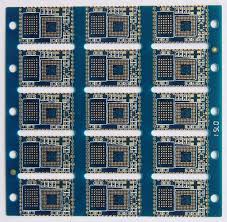
Can hdi circuit board be used in medical devices?
Moreover, the advanced manufacturing techniques used in producing HDI circuit boards, such as laser drilling and sequential lamination, result in finer trace widths and spacing, enabling higher signal integrity and reliability. This is particularly beneficial in medical devices where accurate signal transmission is critical for precise measurements and diagnostics. Whether it’s an electrocardiogram (ECG) machine or a magnetic resonance imaging (MRI) scanner, the performance of these devices can be enhanced by leveraging the high-density interconnects provided by HDI circuit boards.
Another aspect to consider is the stringent regulatory requirements governing the design and manufacturing of medical devices. Devices intended for use in healthcare settings must adhere to strict standards to ensure patient safety and efficacy. HDI circuit boards, with their proven track record in industries such as aerospace and telecommunications, offer a reliable foundation for meeting regulatory requirements in the medical field. Manufacturers can leverage the reliability and quality assurance processes inherent in HDI board fabrication to streamline the regulatory approval process for medical devices.
However, despite the potential benefits, there are challenges associated with incorporating HDI circuit boards into medical devices. One concern is the susceptibility of electronic components to various environmental factors and sterilization methods commonly used in healthcare settings. Medical devices often undergo rigorous cleaning and sterilization processes to prevent infection and cross-contamination. Ensuring the compatibility of HDI boards with these sterilization methods, as well as mitigating the risk of damage or malfunction due to exposure to moisture or chemicals, is essential for their successful integration into medical devices.
Additionally, the long-term reliability and durability of HDI circuit boards in medical applications must be thoroughly evaluated. Implantable medical devices, such as pacemakers or neurostimulators, operate within the human body for extended periods, subjecting them to physiological stresses and environmental conditions not encountered in traditional electronic devices. Ensuring the biocompatibility and long-term performance of HDI boards in such applications requires comprehensive testing and validation procedures.
In conclusion, while there are challenges to overcome, the potential benefits of using HDI circuit boards in medical devices are significant. Their ability to enable miniaturization, enhance performance, and streamline regulatory compliance makes them a compelling choice for medical device manufacturers looking to innovate in an increasingly competitive landscape. With careful consideration of design requirements, regulatory standards, and environmental factors, HDI circuit boards can play a crucial role in advancing healthcare technology and improving patient outcomes.